
I remember the exact night it stopped feeling like enough.
It was past midnight. I had the kind of quiet that only exists when everyone else has gone to sleep. The ShadeUI analytics dashboard opened on my screen, the design system I'd spent the better part of two years building. The numbers were fine. More than fine, actually. More than 1,000 tech professionals were using something I made. People worldwide, in cities I had never been to, opening components I had designed and built, using them inside products that real users would eventually touch.
I should have felt proud. Well…I didn't.
I sat there for a long time trying to name what I actually felt. The closest I can get to is that I felt like a person who had built a very good door for someone else's house, and was only just realising that what I wanted was to build the house.
I came into tech in 2021. Not through a CS degree. But as a person with a burning desire to make a difference, an obsession for innovation, solving problems at a rigorous bootcamp and building things nobody asked for just to see if I could. I fell in love with design first. The discipline of it. The way an element could tell someone exactly what to do without saying a single word. I was intrigued about working in a space where every choice is an argument. This colour instead of that one, this spacing instead of that, and every decision either earns the user's trust or quietly costs it.
Then I transitioned into design engineering. The place where design stops being a document and starts coming to life. I stopped thinking about screens and started thinking about systems, the components that everything else is built from, and the invisible architecture underneath every interface that someone eventually uses.
ShadeUI came from the idea of building a modular system for designers and developers. Not from a business plan. From frustration. I was rebuilding the same components across several projects, making the same design decisions, solving the same problems, and wasting hours on work I'd already done. Every new project felt like starting from zero. So I built a system. Documented it properly. Shipped it.
And then, without much fanfare, more people started using it.
Here's the thing about a 1000+ users that nobody tells you. Four of them paid.
I've turned it over enough times now that I can look at it clearly. Those 1000 users weren't a failure. They were a lesson being delivered slowly. One session at a time, and I was too busy feeling validated to read it.
The lesson here was that, value and willingness to pay are not the same thing. People were getting real value from ShadeUI. They told me so in emails, meetups, and DMs that came in from people I'd never met. But the path from 'This is useful' to 'I will pay for this' is not a straight line. It runs through trust, habit, and the conviction that a tool is so embedded in your work that losing it would cost you more than the subscription ever could.
I hadn't built that path…yet. I had mapped out the destination and forgotten to build the road.
That's a product problem. And sitting with that realisation, something shifted in how I was thinking about everything.
The real lesson I learned from those four paying users was that pricing was never an issue.
It was about what it means to build something people's businesses depend on.
Those four users weren't just using ShadeUI. They were betting on it. They had decided, at some level, that this tool was worth real money, which meant it was worth real trust, which meant it was woven into something they cared about. And that relationship, between a builder and a person who has decided to depend on what you've built, felt different from anything else I'd experienced in design. It felt like responsibility. It felt like weight. And I say that not as a burden, but as the exact thing I'd been missing.
I wanted to build things people depended on. Not components. Products. Not tools that made other people's products better. Products that sat at the centre of someone's livelihood and made it work.
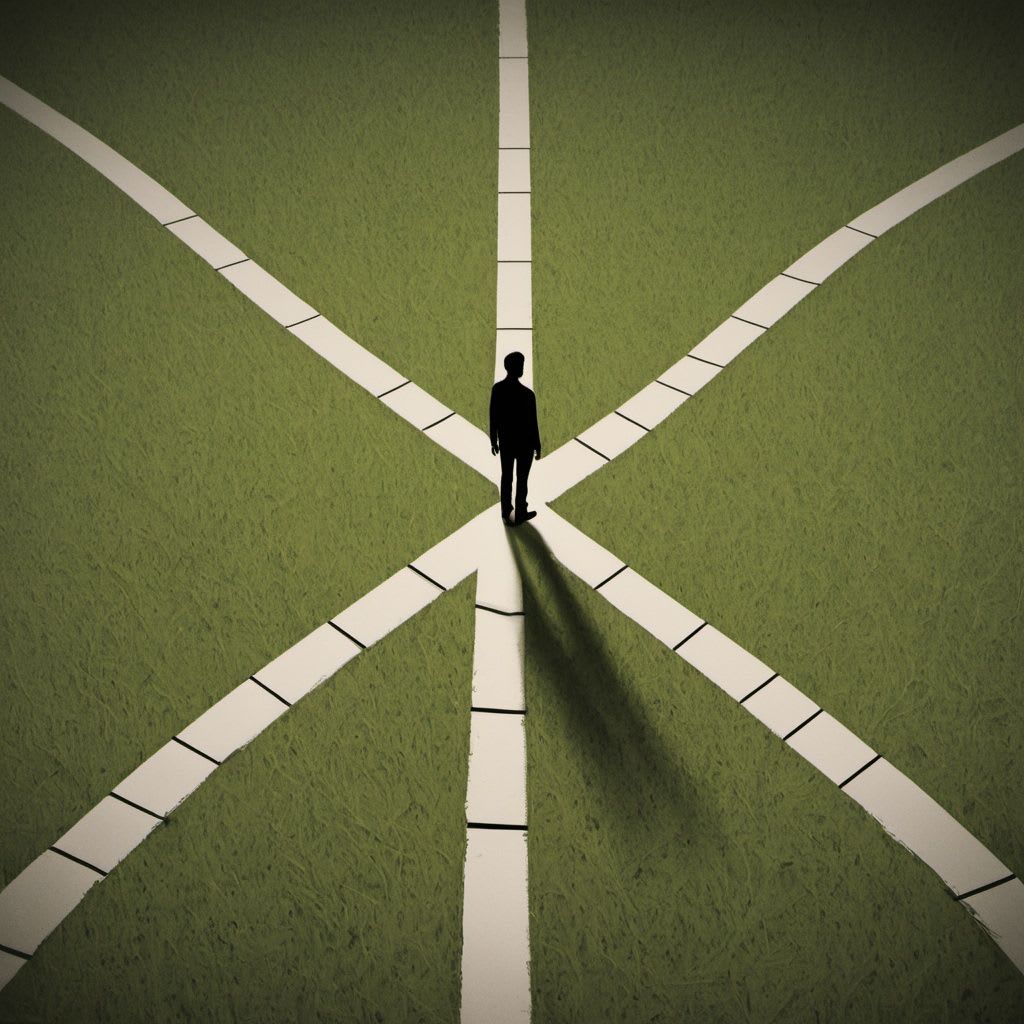
The pivot from designer to design engineer had felt natural. Intuitive, even. The pivot from design engineer to founder felt different.
I had convinced myself that founders were a different kind of people. They had a particular confidence that I associated with people who had always known they were going to build something. They spoke about markets and distribution and unit economics with a fluency that felt like a second language I hadn't started learning yet. I was good at design. I was good at building systems. Was I good at that?
I spent a long time with that question. Longer than I should have. And then I started looking at the world a different way. Not at design systems, but at everything else. How people were actually running their businesses, especially the creators, coaches, and freelancers. I was surrounded by people who had built genuine audiences, skills, and services to offer the world. I watched how they worked and paid attention to the chaos underneath what looked, from the outside, like a polished personal brand. What I saw stopped me.
Something enormous has happened to how businesses run, and most of the available infrastructure hasn't caught up yet.
Social media stopped being just a place to get attention. At some point, gradually, and then all at once, it became the place where real business happens. Where a coach builds enough trust with a following, a DM becomes the first step in a client relationship. Where a UGC creator lands brand deals by posting, not by prospecting. Where a freelance photographer books weddings through Instagram before anyone has visited a website.
The storefront moved to social. But the checkout didn't follow. So the creators, coaches, and freelancers who are building real livelihoods on these platforms are stuck stitching together five different tools to do what should be one seamless thing. Calendly for booking. WhatsApp for communication. Paystack or a bank transfer for payment. A spreadsheet for tracking brand deals. Another spreadsheet for affiliate links. And somewhere in the middle of all that friction, opportunities fall through the cracks, money is left uncollected, and the business that could have been clean stays chaotic.
I kept seeing this in conversations from creators, small business owners, and entrepreneurs who were building audiences worth millions and earning less than they should, because available infrastructure didn't seem to cater to their needs.
And I thought, someone should build that. The operating system for this new kind of business. Something that starts where the audience already is on social and builds everything a creator,entrepreneur, coach, or freelancer needs to actually get booked and paid, without ever losing the simplicity that made social media so powerful in the first place.
That thought didn't leave me. That's usually how I know something is real.
Not the excitement, but the persistence. The way an idea keeps showing up in conversations you weren't expecting, problems you keep noticing, questions that start organising themselves around a central gap you can't stop seeing. This was one of those ideas. And at some point, I stopped treating it as an interesting observation and started treating it as work.
Throughout the progression of my career as a product designer and design engineer.
I've built solutions that people use worldwide. I've gained valuable insights from my experiences while sitting with the discomfort of having real traction and not knowing how to turn it into a real business.
I realise now that my experience was a preparation. Not because I planned it that way. But because what I'm building next requires exactly the combination of skills I've spent the last few years accidentally assembling. You need to understand design systems to build product infrastructure. You need to understand adoption to think about distribution. You need to have felt the gap between value and willingness to pay to know what a pricing model is actually solving for.
I'm not betting this decade on building products because I have all the answers. I'm betting it because I have the right questions, I've seen the problem clearly enough that I can't look away, and the window for building this idea in this particular market for these specific people is open right now. I'd rather be wrong trying than right watching someone else build it.
The next ten years of my career will be spent on building products that help creators.
Starting with the gap I see most clearly. Starting now. If you've felt the friction I'm describing, if you're a creator, coach, freelancer, entrepreneur, or small business owner who has ever wished the business side of your work was as intuitive as the creative side, I'd like you to stick around.
We're building something for you.